Important Lifestyle Changes: Diet and Fluids
People with PoTS are known to have a lower blood volume, this along with blood pooling leads to many of the symptoms of PoTS.
To increase blood volume more salt and fluid is advised for most adults. If you have heart or kidney disease or high blood pressure, please ask your doctor for advice on how much salt and fluid you should have.
There is no evidence for the right amount of salt and fluid in children. For young children in particular too much salt and fluid may have harmful effects so the advice of a paediatrician should be sought.
Fluid
Adults are advised to have 2-3 litres of fluid a day. You may need more on hot days or if you are able to exercise. Aim for your urine to be a pale-yellow colour.
When we talk about fluid, we include fluid in foods and all drinks, except alcohol. Increasing the fluid in foods can be especially helpful for those who struggle to drink enough volume.
Examples of fluid foods include custard, cream, yoghurt, ice cream, sorbet, ice pops, ice lollies, ice cubes, slushy, jelly, soup, gravy and sauces.
Having a drink before getting up in the morning can help to increase blood volume before rising. Some people also find a large, iced drink is helpful during a flare up of symptoms.
Drinks containing caffeine can have varied effects, they can increase tachycardia and affect sleep, but can also increase blood pressure and alertness which is helpful for some patients.
Intravenous fluids are not routinely used as a treatment for PoTS due to the risk of complications such as infection and blood clots. They may be considered for people who are resistant to other treatments or who have stomach or bowel problems that stop them from eating and drinking enough.
There are a number of water tracking apps where you can set reminders to drink, and log how much fluid you are drinking. Alternatively, keep a water bottle of known fluid quantity in the fridge so you can keep track of how much you are drinking more easily.
Salt
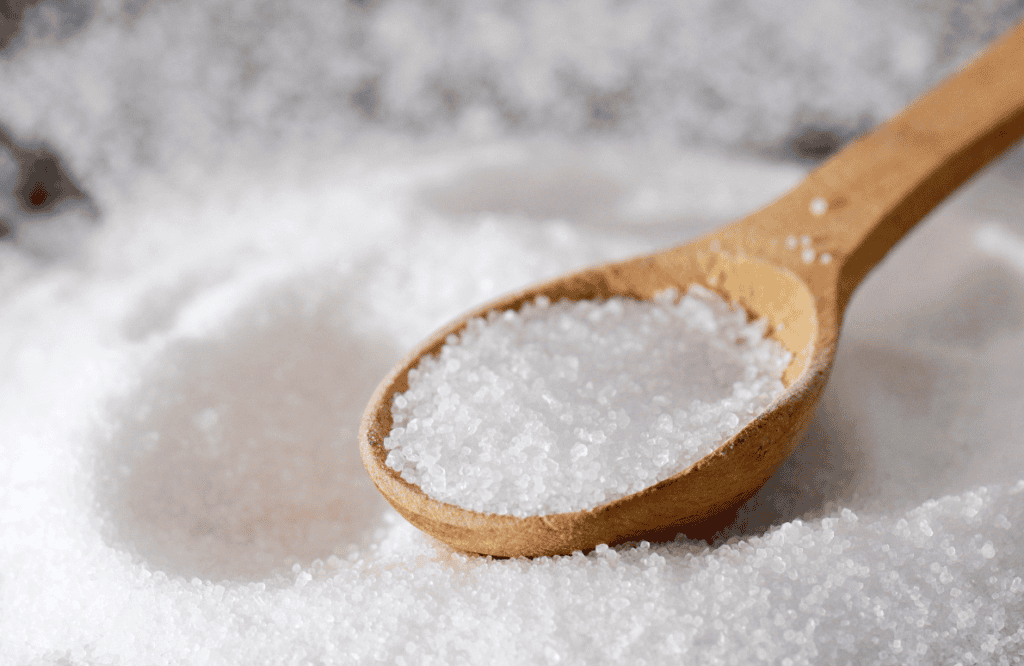
6-10g of additional salt each day is advised, 6g is around 1 level teaspoon. Salt can be sprinkled onto food, used in cooking or you can eat extra salty foods.
Examples of salty snacks:
Salted nuts and seeds, salted crackers or pretzels, salami sticks, cheese portions, crisps, salted popcorn, cup a soup, pickles, olives.
Examples of salty foods to add to meals:
Pickles, gravy, cheese sauce, soy sauce, cheese, ketchup/brown sauce, miso, stock cubes, ready-made sauces for pasta or curry, casserole mixes, taco seasoning, garlic salt, celery salt.
Other salty foods:
Smoked meat or fish, anchovies, fish tinned in brine, bacon, gammon.
Some people prefer to use electrolyte drinks or tablets, these vary but typically contain 0.3-0.8g of salt per serving.
If you are not able to manage enough salt in your diet your doctor may prescribe salt tablets.
Allergies and intolerances
Many people with PoTS report allergy or intolerance type symptoms including skin, stomach and bowel problems. There has been increasing interest in a possible link between Mast Cell Activation Syndrome and PoTS. This is an area where more research is needed; however initial research does appear to show a link between MCAS and PoTS, especially in those whose PoTS includes additional symptoms not associated with posture such as allergy, skin, stomach or bowel symptoms. MCAS may also cause PoTS like symptoms.
Many people who suspect they have MCAS start by avoiding foods containing histamine. This can be confusing as there is no standard list of high histamine foods and MCAS symptoms can be triggered by many different types of foods, smells, chemicals, heat, cold, stress, hormones, infections and more.
If you suspect food is causing allergy or intolerance symptoms keep a detailed food and symptom diary, also noting down any changes such as medications, illness, hormones etc. This will help you to identify specific foods that may be causing symptoms for you. A dietitian or registered nutritionist can help you explore this further.
If you are experiencing immediate allergy symptoms, please discuss this with your doctor.
Intolerance testing by using blood samples or hair for example is not clinically validated and can lead to over restricting foods.
Carbohydrates
Starchy carbohydrate foods such as bread, pasta, rice and potatoes are staple foods that provide us with energy; however some people with PoTS find their symptoms are worse following a high carbohydrate meal. This may be because when we eat blood is diverted to the gut for digestion and this may lead to a small drop in blood pressure.
To avoid this try eating small meals and snacks through the day. Meals that are based on protein foods such as meat, fish, Quorn, soya or beans with smaller amounts of wholegrain or low GI carbohydrates such as brown rice or pasta, sweet potato or wholegrain, seeded or rye bread may also help.
Gluten
There may be a higher rate of coeliac disease in PoTS patients. If you have symptoms suggestive of coeliac disease such as bloating, diarrhoea, stomach cramps and wind, especially if you notice these after foods containing gluten like bread and pasta, please ask your doctor if they will test for coeliac disease. Remember if you are going to have this test you need to be eating gluten in at least 2 meals a day for 6-8 weeks before the test. Some people with coeliac disease have no symptoms which makes it harder to identify.
Some people who have tested negative for coeliac disease still have symptoms with gluten containing foods, a gluten intolerance. This can be identified with a food and symptom diary.
Irritable bowel syndrome (IBS)
Some people with PoTS have symptoms such as bloating, wind, diarrhoea or constipation which may be diagnosed as irritable bowel syndrome (IBS). If you think you may have IBS it is important to see your GP for a diagnosis and to rule out other causes of the same symptoms.
If you are diagnosed with IBS, you can start to look at diet and lifestyle to help your symptoms. Regular meals, reducing caffeine, reducing alcohol and reducing fizzy drinks, managing stress, drinking enough fluids (at least 8 cups a day), reducing fatty foods and limiting fruit to 3 portions a day, can all be helpful.
If your symptoms are not improved with first line advice, ask your GP for a referral to a registered dietitian with experience in using the FODMAP diet.
There is more information on IBS here.
Vitamins and Minerals
Vitamin deficiencies can cause PoTS like symptoms. This is especially true of anaemias caused by iron, folate or vitamin B12 deficiency. Increased rates of low ferritin (iron storage) have been associated with PoTS. The reason for this is not clear.
Vitamin D deficiency is very common in the UK. It is recommended by the NHS that everyone in the UK takes an over-the-counter supplement containing 10ug (400iu) daily from October to April. If you spend a lot of time indoors, cover up when outside, have dark skin or wear high factor sunscreen you have a greater risk of deficiency and should take a supplement throughout the year.
If you are not able to eat a varied diet a general multivitamin and mineral supplement can be helpful.
Nausea
Many people with PoTS experience nausea. If this is severe and affecting your eating, your GP may prescribe anti sickness medications. If you suffer with constipation treating this can also help with nausea.
Tips to help:
- Eat small frequent meals or snacks, having an empty stomach or being over full can make nausea worse
- Drink between meals rather than before meals
- Cold foods and drinks
- Try ginger tea, chews, biscuits or sweets
- Try mint tea or sweets
- Travel sickness acupressure bands
- Getting out in the fresh air or opening windows
- Sitting up, if you can, can help food go down better
Poor appetite
If you are losing weight and are unable to eat enough discuss this with your GP or specialist as you may need referral to a hospital specialist for further tests. They may also be able to refer you to a dietitian and prescribe supplement drinks.
Tips to help:
Aim for five to six small meals a day
Choose high protein, high calorie foods
Choose full fat, full sugar products if you cannot eat your usual portions
Aim to have one pint of full fat milk or milk alternative a day. This can be in drinks, cereals and puddings.
You may find ready-made meals or easily prepared foods are easier to eat
Avoid over-facing yourself with large portions – use a small plate at mealtimes
Ensure your drinks are nutritious for example soup, milk-based drinks like milkshake or hot chocolate, smoothies and juices
Nutritious drinks such as Complan, Meritene or Nurishment can be bought from most pharmacies
Practical adaptations
Fatigue, fainting, blood pooling, heat intolerance and additional conditions such as joint hypermobility can make shopping, preparing food and cooking challenging with PoTS.
Adaptations and aides can be helpful. Your GP or local council can arrange for you to be assessed by an Occupational Therapist and some adaptations, such as perching stools, may be provided as part of this.
- Perching stool
- Adapted cutlery and easy grip knives
- Using ready chopped vegetables and pre grated cheese
- Ready meals or meal delivery services
- Shopping delivery
- Using the microwave rather than the oven
- Jar openers
- Kettle tipper or hot water dispenser
Glossary
Lower blood volume – having less blood moving around your body
Blood pooling – when blood collects in the lower parts of your body such as your legs and hands because your veins are less able to pump it back to your heart
Histamine – a chemical released by cells in the body when you have an allergy
Gluten – a protein found in wheat, barley, rye and some oats
Coeliac disease – a condition where the bodies own immune system (defences) attack the gut and cause damage when you eat gluten
Gluten intolerance – a condition where you get symptoms such as stomach ache, bloating, wind and diarrhoea after you eat gluten, but you test negative for coeliac disease
FODMAP – Fermentable Oligosaccharides, Disaccharides, Monosaccharides and Polyols. This is an exclusion diet designed to identify carbohydrate foods that cause IBS symptoms. Once foods are excluded and symptoms improve, foods are then reintroduced to work out your personal triggers. This diet should only be taught by a registered dietitian with specific training in the FODMAP diet.
Share this page


This information is general information about PoTS and is not an alternative to medical advice from your doctor or other healthcare professional. You must always consult your doctor or healthcare professional.
Production date 25/03/2023
Next review 25/03/2026
Version V1.5